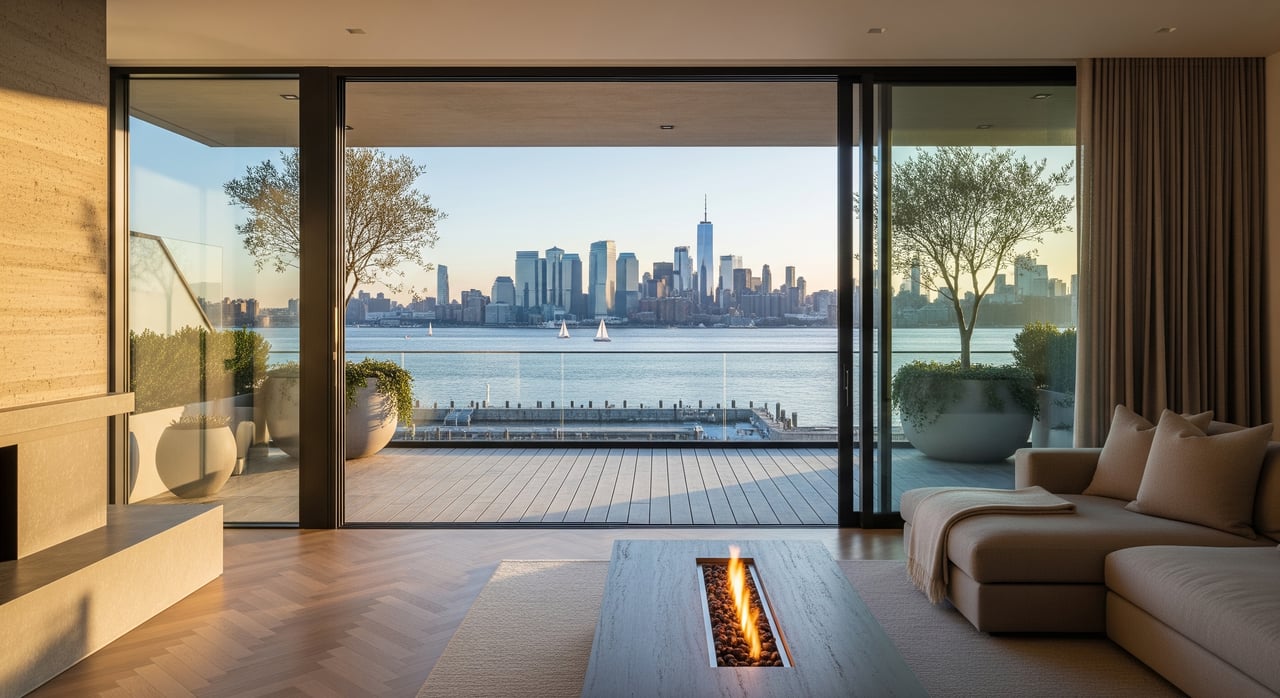
Morning runs along the Hudson, skyline sunsets, and a quick hop to Manhattan sound great. You also want the reality check on costs, commute options, and flood risk before you choose a building. This guide gives you a clear, practical view of what life on the Hoboken waterfront looks like, from parks to parking. You will leave with an action plan and the right questions to ask. Let’s dive in.
Hoboken waterfront at a glance
The riverfront and walkway
The Hoboken waterfront lines the city’s eastern edge with wide river views and an uninterrupted promenade. The Hoboken Waterfront Walkway connects the corridor for walking, jogging, and cycling. Sections are managed by the city and tie into adjacent parkland. For current park details and seasonal updates, start with the City of Hoboken.
Parks you will use
You will likely spend time at Pier A Park near Hoboken Terminal, which hosts open lawns and community events. Sinatra Park and the Frank Sinatra Drive area offer recreation and views further north. Maxwell Place Park adds green space next to residential buildings. The waterfront parks and promenade anchor day-to-day outdoor life for many residents.
Public access and vibe
The promenade is public, and you will see joggers, strollers, and dog walkers most hours. Many buildings add private amenities such as gyms and pools, but the parks remain the neighborhood’s living room. Seasonal markets and events often pop up along the waterfront and nearby streets; check the city’s announcements on the City of Hoboken site for current programming.
Homes and buildings
What you will find
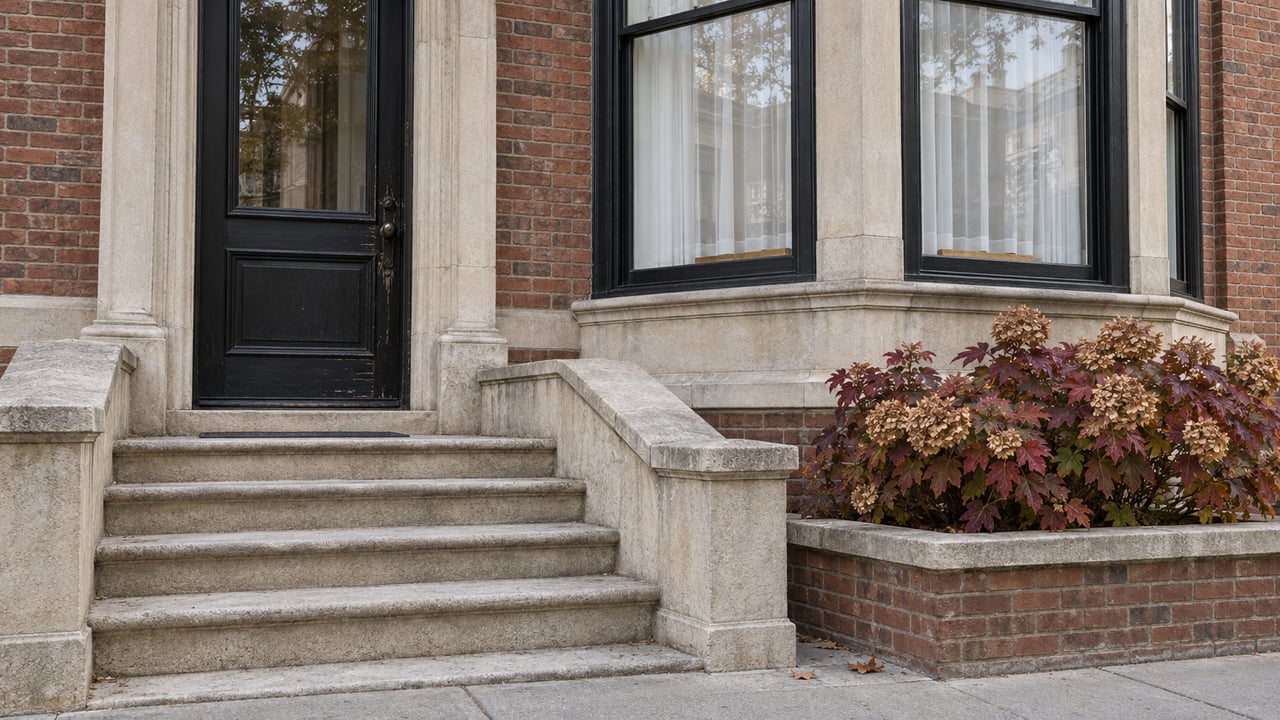
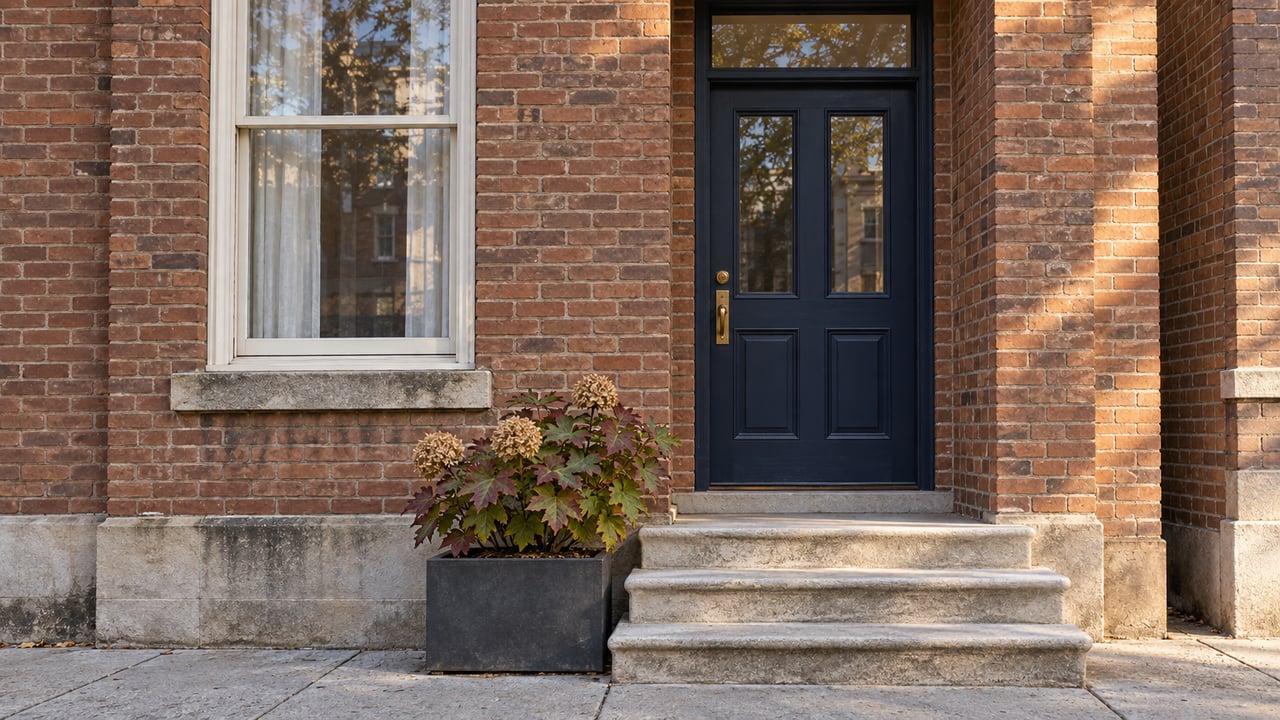
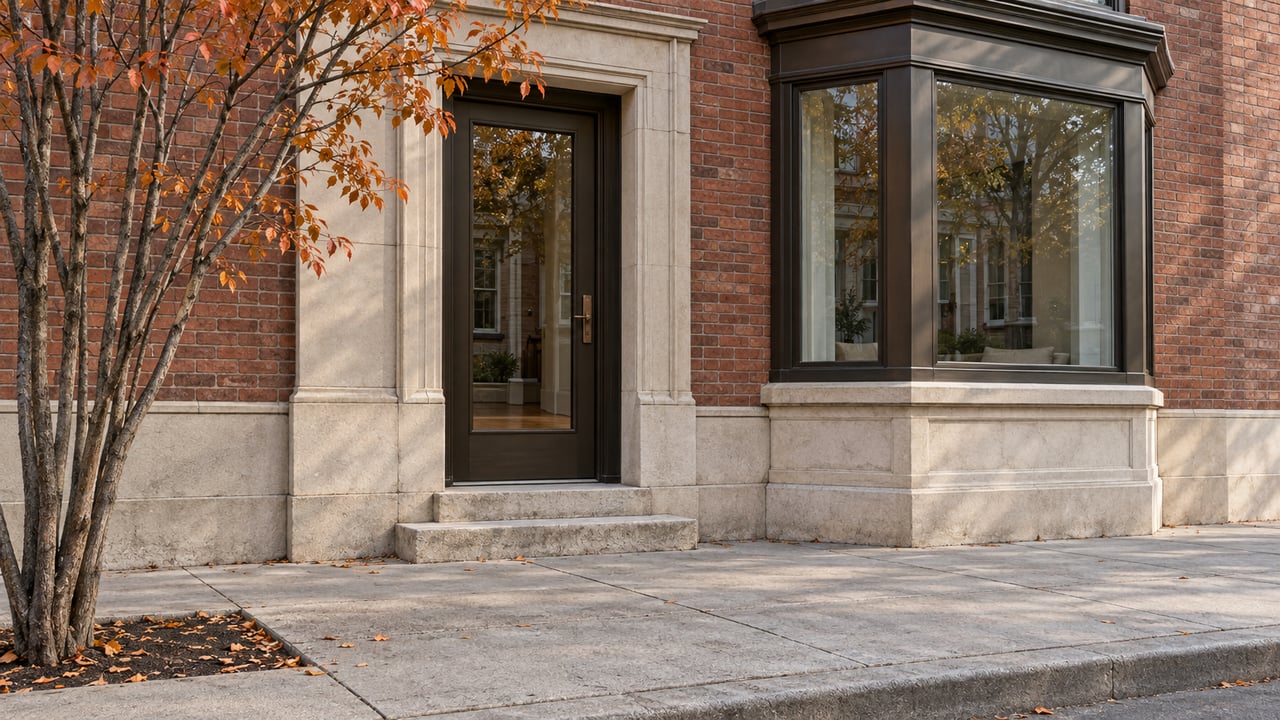
Most waterfront options are newer mid-rise and high-rise condos or rental buildings. Expect modern lobby service, elevators, on-site fitness, parking garages, and landscaped courtyards or rooftops. Inland blocks feature more historic walk-ups and brownstones, which have a different feel from the glass-and-steel waterfront towers.
Who it fits
Waterfront buildings appeal to commuters who prize quick access to Manhattan, buyers downsizing for a lower-maintenance home with views, and renters who want amenities and park access. Inventory skews toward condominiums and luxury rentals, while co-ops and single-family rowhouses are more common inland.
Costs to plan for
Waterfront units usually carry a price premium due to views, location, and amenities. Beyond your purchase price or rent, plan for monthly HOA or condo fees, property taxes, and potential flood insurance if your building sits in a designated flood zone. Parking is often available in-building for an added monthly fee.
Getting around
Hoboken Terminal access
At the southern end, Hoboken Terminal is a major transit hub. You can connect to NJ Transit commuter rail and buses via the NJ Transit system, ride PATH trains into Manhattan through the PATH network, or take ferries with multiple Manhattan landings operated by NY Waterway. With several modes on tap, you can tailor your commute by destination and time of day.
Ferries, PATH, and timing
Ferries offer a scenic, often faster ride to specific Midtown or Downtown piers, while PATH typically provides the most frequent and cost-effective option. Schedules and reliability vary by hour and season. Always test your door-to-door time during peak hours and use real-time tools from PATH, NY Waterway, and NJ Transit.
Walking, biking, and cars
Hoboken is compact and highly walkable, with the waterfront promenade and protected bike lanes in key areas. Many residents do not rely on a car because transit is often faster than driving into Manhattan. Street parking is limited and permit-controlled, while garage spots in waterfront buildings usually cost extra.
Everyday tradeoffs
The upsides
You get skyline views, fresh air, and instant access to parks and the promenade. Buildings often include security, concierges, and modern conveniences that simplify daily life. Many sections feel calmer at night than the inland nightlife corridors.
Potential downsides
Waterfront property costs more to buy or rent compared with similar homes inland. River exposure can mean stronger winds in winter, and weekend foot traffic can be lively near parks and event spaces. Some stretches have fewer retail options at your doorstep, so plan on short walks inland for groceries and services.
Families and services
Hoboken Public Schools serve the city, and assignments are address-based. If schools are part of your move, confirm current zoning and enrollment details with Hoboken Public Schools. Most daily services, health care, and shopping are a short walk or quick drive from the waterfront.
Flood risk and resilience
What to know
Waterfront addresses are more likely to sit in FEMA-designated flood hazard areas. If you finance with a federally backed mortgage, flood insurance may be required. Hurricane Sandy highlighted vulnerabilities along the Hudson, and local agencies have pursued resilience projects such as stormwater upgrades and protective infrastructure. Ask how any ongoing or planned projects may affect your building or taxes.
Smart buyer checks
- Review your specific address on the FEMA Flood Insurance Rate Maps and note the flood zone.
- Ask the seller for prior flood or insurance claim history and any mitigation steps taken.
- Confirm building elevation, placement of mechanicals, and any floodproofing measures.
- Consult a licensed insurance agent early for a flood insurance quote and coverage options.
Try before you buy
Test the routine
Visit at different times: a weekday morning commute, a Saturday afternoon, and an evening. Watch foot traffic, lighting, and event activity near parks. Time your full commute using your preferred route and mode. If you plan to drive, confirm parking options, fees, and local permit rules.
Is the waterfront right for you?
If you value park access, modern amenities, and multiple transit choices, the Hoboken waterfront delivers a strong lifestyle. The premium comes with tradeoffs, especially around cost and potential flood insurance. A focused search, clear budget, and a building-by-building comparison will help you find the right fit.
Ready to tour buildings, compare HOA fees, and assess flood and transit tradeoffs with a trusted local advisor? Connect with MC Luxury Living for a private consultation tailored to your goals.
FAQs
How much more do Hoboken waterfront homes cost than inland options?
- Premiums vary by building, view, and amenities; compare recent sales and rents for specific addresses and stacks rather than relying on citywide averages.
Are ferries and PATH reliable for commuting from the waterfront?
- Yes, both are common choices; check schedules and real-time updates from PATH and NY Waterway to pick the best route for your hours.
Is flood insurance required for Hoboken waterfront condos?
- If your property is in a FEMA Special Flood Hazard Area and you use a federally backed mortgage, flood insurance is typically required; get a quote early.
Are there good family living options on the waterfront?
- Many families enjoy the parks and amenities; confirm unit size, building features such as playrooms, and school assignment details with Hoboken Public Schools.
How quiet is the Hoboken waterfront at night?
- Many sections feel calmer than busier inland corridors, but parks and promenades draw visitors at night and on weekends; visit at different times to gauge fit.