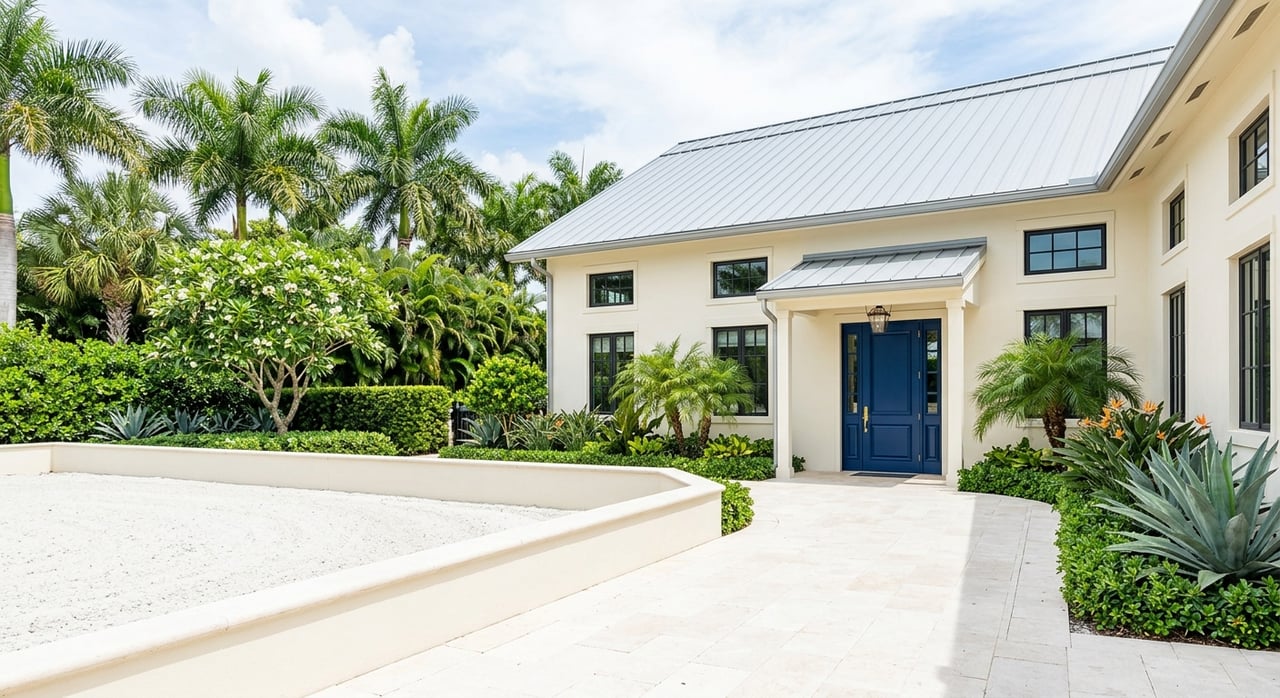
If you want to sell a Wellington equestrian home for top attention, waiting until peak season is already a little late. In this market, buyers often arrive with a clear winter timeline, a long checklist, and a strong need to compare properties quickly, sometimes from thousands of miles away. The good news is that with the right timing, presentation, and launch strategy, you can meet that demand before the busiest stretch begins. Let’s dive in.
Why timing matters in Wellington
Wellington’s equestrian market runs on a very specific seasonal rhythm. The Village says the equestrian season begins in November and continues through April, and Wellington International’s winter competition calendar fills much of that window with major events from January through March.
That matters because Wellington is not a typical suburban resale market. The Village describes a 9,000-acre equestrian community with Wellington International, the National Polo Center, a network of bridle trails, more than 580 farms, and nearly 13,000 horses during peak season. When that level of activity builds, buyers are not just shopping for a house. They are evaluating how a property fits their winter plans, horse operations, and daily logistics.
Why before peak season is often smarter
If your goal is to catch serious seasonal demand, the strongest move is usually to list before the winter season fully ramps up. Based on the published season dates, that means using late summer and early fall for repairs, photos, staging, and pre-listing preparation so your home can launch before January.
This timing gives you an edge in a few ways. You can enter the market with a polished presentation, reach buyers while they are planning their season, and avoid rushing updates when competition for attention gets louder. In a niche market like Wellington, preparation is part of pricing power.
What Wellington equestrian buyers expect
Today’s buyers start online, and that matters even more in a globally recognized horse market. Research shows that 43% of buyers began their home search online, 69% used a mobile phone or tablet, and 41% found photos very useful during the process.
Wellington International also draws participants from all 50 states and more than 34 countries. That means a meaningful share of your audience may first experience your property remotely. If your online presentation is incomplete, confusing, or underwhelming, many buyers may move on before they ever schedule a showing.
Your online launch needs to be complete
The first few days on market can shape a listing’s momentum, and buyers consistently rate listing photos as one of the most useful tools in an online search. For a Wellington equestrian property, a basic listing entry is not enough.
A stronger launch package should clearly show both the residence and the horse setup. That usually means:
- Professional photography
- Exterior and aerial imagery
- A floor plan
- A video walkthrough
- Clear property copy that explains both lifestyle and function
In this niche, function is part of luxury. Buyers want to know not only that a property looks beautiful, but also that it works.
Stage the house and the horse facilities
Staging is not just for the main living spaces. NAR reports that staging helps buyers visualize a property, can support stronger offers, and is often linked to less time on market.
For a Wellington equestrian home, that principle should extend beyond the front door. The barn complex, paddocks, and access areas should feel as intentional as the kitchen or primary suite. If one part of the property feels polished and another feels overlooked, buyers will notice.
Focus on the main house first
For residential spaces, commonly staged rooms include the living room, primary bedroom, dining room, and kitchen. These are often the rooms that help buyers form an emotional connection with the home.
Keep the presentation clean, bright, and easy to understand. Buyers should be able to quickly see how the home lives day to day and how it supports the larger equestrian lifestyle.
Treat the barn like a selling feature
Your horse facilities should not feel like an afterthought. Stalls, tack rooms, wash areas, feed areas, and barn aisles should be organized, clean, and in good repair.
The same goes for gates, fencing, turnout areas, trailer access, and the driveway approach. Buyers are not just touring spaces. They are mentally running their routine through the property and asking whether it feels efficient, usable, and ready.
Highlight the details buyers compare
A Wellington equestrian buyer often has a more specific checklist than a traditional homebuyer. Your marketing should make the important details easy to find and easy to understand.
In many cases, the most useful points to feature are:
- Acreage
- Stall count or barn capacity
- Arena footing
- Paddock usability
- Trail proximity
- Guest accommodations
- Layout and access for trailers and daily operations
- How the property fits the winter circuit
Wellington’s equestrian preserve is also part of a regulated community with major trail infrastructure and the Equestrian Overlay Zoning District. Clear, factual positioning helps buyers understand both the lifestyle appeal and the practical framework of owning in this area.
Be polished, but stay truthful
High-end visuals matter, but accuracy matters just as much. Buyers who love what they see online expect the property to match in person.
That is why photography should be premium but honest. If you use virtual staging or digital enhancement, it should be clearly disclosed. Over-editing can create disappointment at showings, and disappointment is not a marketing strategy.
Think beyond pretty photos
A successful pre-season sale is usually about more than aesthetics. It is about reducing friction for the buyer and making the property easy to evaluate quickly.
That means your pricing, launch timing, presentation, and showing plan should work together. Sellers often prioritize competitive pricing, effective marketing, and selling within a specific timeframe, and in practice, those goals are closely connected.
Reduce decision friction
When buyers are comparing several equestrian properties, clarity wins. A listing that explains the operation well, presents the spaces honestly, and answers common questions upfront often creates a smoother path to serious interest.
If buyers have to guess at key facts, they may simply move on to the next option. In Wellington, where many shoppers are balancing seasonal schedules, that lost attention can be hard to recover.
Help remote buyers say yes to a visit
Research shows buyers often view some homes online only, which means your digital presentation has to do real work. In a market with out-of-area and international interest, the first goal is often not the final offer. It is getting the right buyer to feel confident enough to book a showing or start a serious conversation.
That is where strong visuals, clear descriptions, and a well-prepared property make a measurable difference. You want buyers to feel that the home is worth their time before they ever step through the gate.
A practical pre-season checklist
If you are planning to sell before Wellington’s busiest winter stretch, this is the basic roadmap:
- Start early with repairs, touch-ups, and maintenance.
- Declutter and stage both the home and horse facilities.
- Organize operational areas like tack rooms, wash stalls, paddocks, and trailer access.
- Build a complete digital package with strong photos, floor plans, and video.
- Write listing copy around function as well as luxury appeal.
- Launch before peak season so buyers can act while planning their winter schedule.
None of this is about making a property feel generic. Quite the opposite. It is about making your home legible to the exact buyer who needs what Wellington offers.
The bottom line for Wellington sellers
Selling a Wellington equestrian home before peak season is really about meeting the market on its own calendar. Buyers are often planning around the winter circuit, evaluating properties online first, and comparing not just finishes but functionality.
If you prepare early, stage thoughtfully, and launch with a complete marketing package, you put your property in a stronger position before the seasonal rush gets crowded. In a market this specialized, smart timing is not a small detail. It is part of the strategy.
If you’re thinking about selling in Wellington and want a polished, principal-led plan built around timing, presentation, and qualified exposure, connect with MC Luxury Living for a private consultation.
FAQs
When should you list a Wellington equestrian home before peak season?
- The strongest window is generally before the winter season fully ramps up, ideally after your prep is complete and before January.
What should sellers stage in a Wellington equestrian property?
- You should stage both the residence and the horse facilities, including key living areas, barns, stalls, tack rooms, wash areas, paddocks, gates, and access points.
How important is online marketing for a Wellington equestrian home sale?
- It is very important because many buyers begin their search online, use mobile devices, and may be evaluating Wellington properties from outside the local area.
What details should a Wellington equestrian listing include?
- A strong listing should clearly explain features such as acreage, stall count, arena footing, paddock usability, trail proximity, guest accommodations, and overall horse-property functionality.
How careful should sellers be with photo editing for a Wellington home listing?
- Very careful, because buyers expect the property to match what they saw online, and any virtual staging or digital enhancement should be truthful and clearly disclosed.