Thinking about buying in Hoboken and stuck between a condo and a townhome? You’re not alone. In a city where walkability, transit access, and scarce parking drive value, the choice comes down to lifestyle, maintenance, and monthly costs. In this guide, you’ll learn how each option works in Hoboken, what fees and rules to expect, how financing differs, and a simple framework to make the right call. Let’s dive in.
Condo vs townhome at a glance
A condo gives you ownership of your unit plus a shared interest in the building’s common areas. You pay a monthly fee to an association that manages operations and enforces rules. Townhomes are typically fee simple, so you own the building and the land, with more autonomy day to day. In Hoboken, condos are common near the waterfront and along transit hubs, while townhomes and historic rowhouses appear more on older blocks away from the shoreline.
How ownership works in Hoboken
Condos: what you own
You own the interior of your unit and share ownership of common elements like hallways, roofs, and building systems. The condo association’s declaration, bylaws, rules, and budget govern how the property is run. Expect rules on renovations, noise, pets, and use of shared amenities.
Townhomes: what you own
You usually own the structure and the land. Some townhome communities have an HOA that handles limited shared items like a private drive, landscaping, or stormwater systems. If there is no HOA, you handle most maintenance and may have shared agreements for party walls or easements.
What to request from the association
For condos, ask for the declaration, bylaws, recent meeting minutes, current budget, reserve study, insurance summary, and an estoppel or resale certificate. For townhomes in an HOA, request the governing documents and budget. For fee simple townhomes, verify any shared maintenance agreements and easements.
Rules and lifestyle differences
Typical condo rules
Condos often restrict subletting, short-term rentals, and renovation timing. Pet policies, noise rules, and amenity use are common. Renovations may require approvals and licensed contractors.
Townhome HOA focus
Townhome HOAs tend to manage exterior standards and shared areas. You usually have more autonomy over interiors and your yard or terrace. Always confirm what the HOA handles and what falls to you.
Short-term rentals and pets
Many condo associations limit or prohibit short-term rentals. Hoboken also regulates short-term rentals, so you must meet both municipal rules and association policies. Pet rules vary by association and can affect your day-to-day living.
Monthly fees and what they cover
Condo fees typically fund building insurance, common area utilities, staffing, maintenance, and reserves for future repairs. In some Hoboken buildings, heat, hot water, or gas may be included. Townhome fees, when present, are often lower because services are limited to shared items like a private drive or landscaping.
- What condo fees may include:
- Master insurance, common utilities, elevator and roof upkeep
- Staffing such as a doorman or superintendent
- Snow removal, trash service, and reserves
- What townhome fees may include:
- Limited exterior upkeep for shared spaces
- Private road or stormwater maintenance
Fees vary widely across Hoboken based on amenities, building age, and reserve levels. Special assessments can happen, so review the budget and reserve study closely. For a deeper look at this topic, see our guide on how HOA fees work.
Maintenance responsibilities
Condos
You handle interior maintenance while the association covers exterior and shared systems. If a leak or repair affects common areas or neighboring units, the declaration will outline responsibilities. Review insurance summaries to see what the master policy covers.
Townhomes
Expect responsibility for both interior and exterior, including roof, façade, and private outdoor areas. If there is an HOA, it might cover certain exterior items, but scope varies widely. Plan for periodic repairs and budgeting for long-term capital items.
Older rowhouses and urban realities
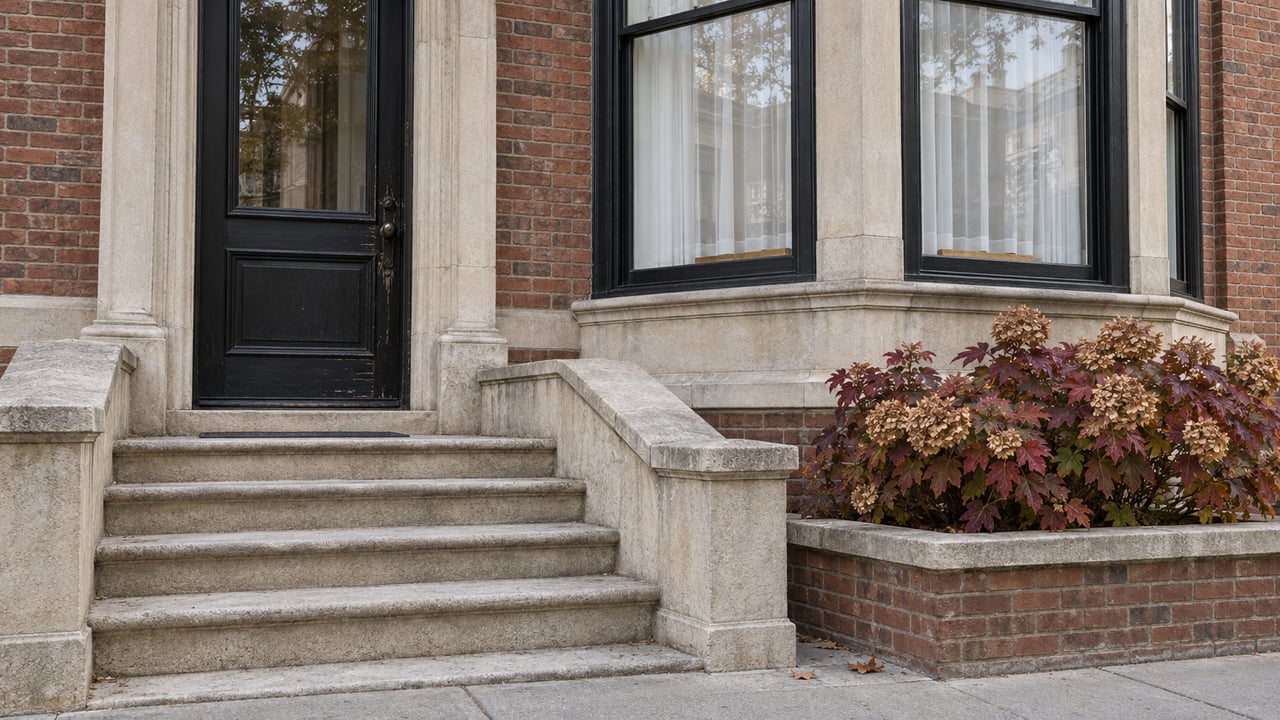
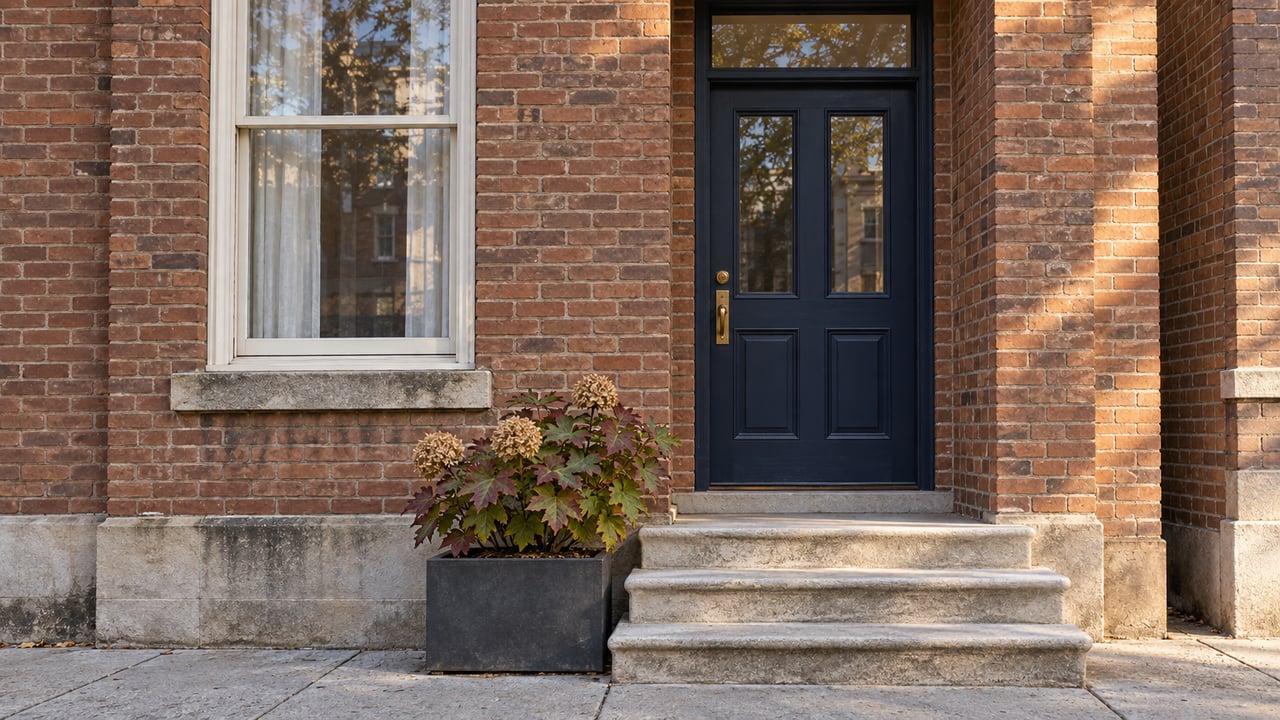
In Hoboken, many townhomes and rowhouses are brick structures that may need façade work, lintel repair, or roof updates over time. Snow removal and narrow service access can add complexity. In low-lying areas, consider flood mitigation and insurance.
Parking in Hoboken
Street parking relies on permits and can be competitive. Some condos offer assigned or leased garage spots, while others include deeded spaces. Townhomes with private garages or driveways are rare and highly valued.
- Always verify if parking is deeded, assigned, leased, or on a waitlist.
- Confirm guest permit options and street rules with the city.
- For practical guidance, read about Hoboken parking permits.
If guaranteed parking matters, prioritize buildings or homes that include deeded garage spaces. If you can be flexible, broaden your search to more buildings or blocks.
Outdoor space and roof decks
Condos may offer balconies, terraces, or access to shared roof decks. Private backyards in condo buildings are uncommon. Townhomes are more likely to have private yards, stoops, or roof decks, and these features tend to command a premium.
For rooftop spaces, check ownership and maintenance responsibilities in the documents. Some associations restrict modifications, so confirm rules before planning improvements.
Flooding and elevation
Parts of Hoboken are prone to flooding, especially waterfront and low-lying streets. Check flood zone status, elevation certificates, and recent flood history when evaluating a property. For condos, confirm whether the master policy excludes flood and whether you need a separate policy. For townhomes, lenders may require flood insurance if the home is within a mapped zone.
Financing and resale
How lenders view condos vs townhomes
Townhomes that are fee simple are often underwritten like single-family homes. Condos are evaluated at both the unit and project level, including financial health, reserve funding, owner-occupancy ratio, and any pending litigation. If you plan to use FHA or VA financing, confirm the building’s project approval status early.
Resale drivers in Hoboken
Condos can attract a larger buyer pool because of lower price entry points and transit-oriented living. Townhomes tend to be limited inventory and appeal to buyers seeking more space and privacy. Across both, proximity to PATH, deeded parking, private outdoor space, building condition, and association health drive long-term value.
If you want a step-by-step path from financing to closing, explore our buyer guide.
A quick decision framework
Use this checklist to narrow your choice:
- Budget and monthly cash flow
- Can you comfortably cover the price and typical monthly association fees? Consider the possibility of special assessments.
- Maintenance tolerance
- Prefer hands-off exterior care in a condo or the control and responsibility of a townhome?
- Parking needs
- Need guaranteed off-street parking? Prioritize deeded spaces and confirm details in writing.
- Outdoor space
- Is a private yard or roof deck essential? Expect a premium and act quickly when you see it.
- Financing fit
- Using FHA or VA? Verify project-level approvals and lender requirements early.
- Lifestyle and resale
- Prioritize transit access and amenities for broader resale demand.
- Association due diligence
- Review budgets, reserves, minutes, insurance, and estoppel before removing contingencies.
Due diligence checklist
For condos and townhomes in an association, request:
- Declaration, bylaws, and rules and regulations
- Current operating budget and most recent reserve study
- Board meeting minutes from the last 12 to 24 months
- Insurance summary, including what the master policy covers and excludes
- Estoppel or resale certificate with fees, arrears, assessments, and any litigation
- Management company contact information
For fee simple townhomes, also request:
- Easements, party wall agreements, and any shared maintenance agreements
- Parking deed or lease documents
- Certificates of occupancy and permits for recent renovations
- Flood zone status, elevation certificate, and known flood history
Smart questions to ask
- Is parking included and is it deeded, assigned, or leased?
- Which utilities are included in the monthly fee?
- What is the current reserve level and any history of special assessments?
- Is there any pending or recent litigation involving the association?
- What is the owner-occupancy ratio and are short-term rentals permitted?
- When were major systems last replaced, such as the roof, elevators, boilers, or façade?
Where to look in Hoboken
If you want a wider snapshot of available options, browse current Hoboken listings. To weigh block-by-block lifestyle and convenience, explore our overview of Hoboken neighborhoods. This will help you compare transit access, building styles, and common amenities.
Buying in Hoboken is a balance between convenience, space, and predictability. Condos deliver a lock-and-leave lifestyle and strong transit access, while townhomes offer privacy, autonomy, and often the best shot at a yard or garage. If you want help tailoring the search to your needs, connect with MC Luxury Living for principal-led guidance backed by Coldwell Banker Global Luxury reach.
FAQs
What is the main difference between a condo and a townhome in Hoboken?
- A condo gives you a unit plus shared common areas run by an association, while a townhome is usually fee simple ownership of the building and land, with more direct control.
How do condo fees work in Hoboken buildings?
- Fees fund building insurance, common utilities, staffing, maintenance, and reserves, and they vary based on amenities, age, and condition. Review budgets and reserve studies.
Are townhomes cheaper to own each month than condos?
- Townhome HOAs often cost less or may not exist, but you shoulder more maintenance yourself. Compare fees and anticipated repair costs for a full picture.
Can condo fees increase after I buy?
- Yes. Fees can rise due to operating costs or special assessments for major repairs. Review the reserve study and assessment history to gauge risk.
Are condos harder to finance than townhomes in Hoboken?
- Sometimes. Lenders underwrite the condo project’s financial health and policies. Confirm project approvals early, especially for FHA or VA loans.
Is a townhome safer from flooding than a condo in Hoboken?
- Flood risk depends on the block’s elevation and location, not property type. Check flood maps, elevation certificates, and recent flood history before buying.