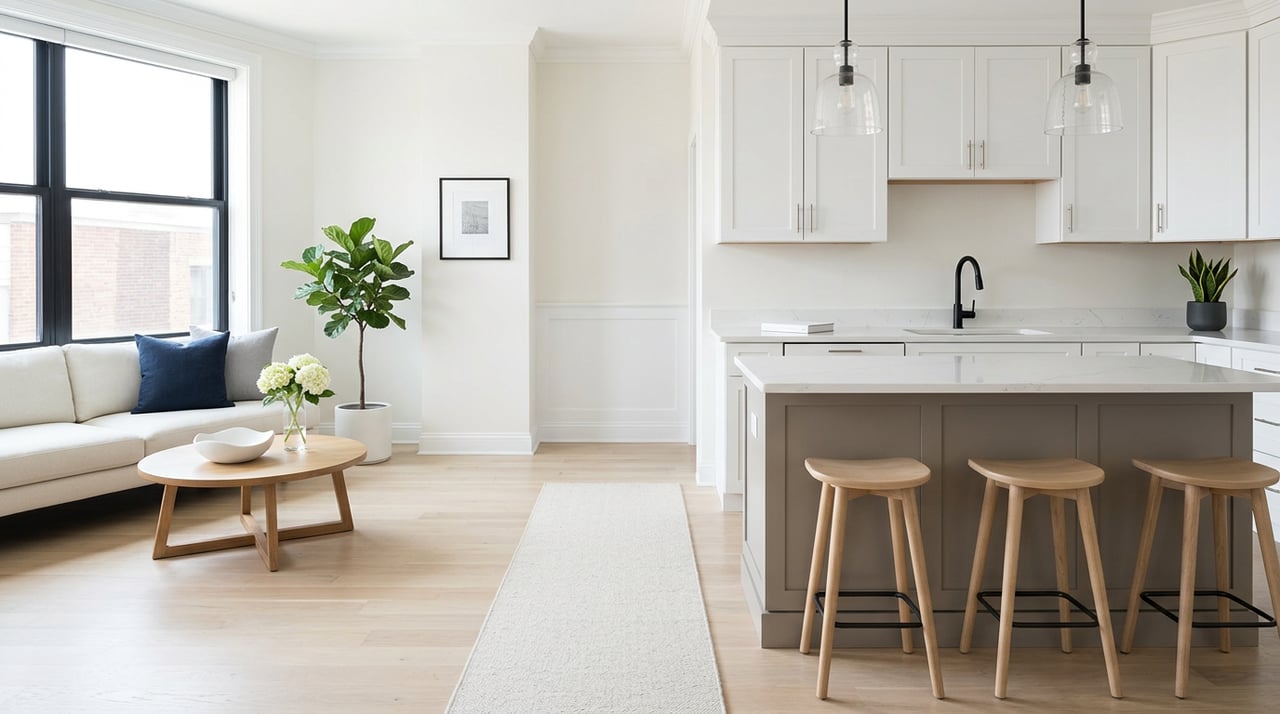
Thinking about selling your Hoboken condo and wondering how to price it just right? You are not alone. In a market with strong commuter demand and limited inventory, a sharp price and standout marketing can be the difference between a quick, clean sale and weeks of slow showings. In this guide, you will learn how top agents build data‑driven pricing, what marketing actually moves buyers to act, and which legal and timing details matter most in Hoboken. Let’s dive in.
Know the Hoboken market now
Snapshot as of January 2026
Hoboken remains a high‑price, walkable, commuter market with healthy buyer demand for well‑presented condos. City dashboards showed a median sale price near $999,000 and a median days on market around 50 days in January 2026. Listing portals often display a median list price in the high‑$800Ks and roughly $900 per square foot, but those are broad snapshots. Always anchor your list price to a building‑specific CMA, not general portal numbers.
Who is buying your condo
Core buyer groups include NYC commuters and young professionals who value PATH and ferry access, downsizers relocating from Manhattan and Brooklyn, and investors targeting reliable rental demand. Waterfront and skyline‑view units typically earn noticeable premiums. Local coverage highlights how commute access and urban convenience continue to pull buyers toward Hoboken’s condo market as documented by business press.
Build a data‑driven list price
How a CMA works
A comparative market analysis uses recent closed sales, active and pending listings, and even expired or withdrawn attempts to price your condo realistically. For condos, same‑building and same floor plan sales are ideal because they minimize guesswork. Appraisers and valuation pros rely on the sales comparison approach and systematic line‑item adjustments, which is the model a strong CMA should follow per professional standards.
Condo adjustments that matter
Your price should reflect how buyers value specific features. Common adjustments include:
- Square footage and efficient layout
- Floor level, exposure, and view quality. Unobstructed skyline or water views often add single‑digit to double‑digit percent premiums, depending on quality and rarity
- Deeded parking or storage
- Private outdoor space (balcony, terrace)
- Renovated kitchens and baths, flooring, and fixtures
- Any assessments, reserve strength, or capital projects that affect carrying costs or risk
A solid CMA shows each comp’s sale price and clear adjustments, such as a dollar value for parking or a per‑square‑foot bump for a renovated kitchen. If same‑line comps are thin, your agent should explain the wider range and document the logic.
Price strategy options
You generally have three approaches, each with tradeoffs:
- Market/comp pricing. List near the top of your CMA range to capture active buyers searching in that bracket. This is common when comps are plentiful
- Slight under‑market. Pricing about 1 to 3 percent below comp value can create momentum and multiple offers in low‑inventory segments, used selectively where demand outpaces supply as seller guides note
- Aspirational overpricing. This often leads to longer market time and algorithmic demotion on major portals. Most sellers reduce later and can net less overall without a unique, well‑supported thesis for the premium as presentation materials warn
Win the first two weeks
Your best chance of getting strong, near‑list offers is in the initial launch window, often the first two weeks. If showings and online engagement feel slow, consider a quick price adjustment or targeted marketing shift rather than waiting. Urban markets with motivated buyers can move fast, so plan a review checkpoint early per industry analyses.
Marketing that boosts offers
Lead with visuals
In an online‑first condo market, stunning imagery does more than look good. Professional photography, accurate floor plans, and a Matterport or other 3D tour can materially increase views and showings. Studies and industry resources point to faster sales and more engagement when listings invest in great visuals, especially in dense urban areas where buyers shop from their phones first according to marketing research.
Smart staging for condos
Staging helps buyers visualize scale and flow. Focus on the living room, the primary bedroom, and any flex space that can double as a home office. Many agents report higher offers with staging, often in the 1 to 5 percent uplift range, and faster market times in a variety of markets. If a full install is not in the budget, targeted styling or virtual staging can still elevate the presentation as summarized by NAR.
Targeted exposure for Hoboken buyers
Spotlight what Hoboken buyers care about in your headline and first photo: proximity to PATH or ferry, walkability, and building amenities. Promote precise commute convenience in your description because it is a top filter for NYC‑bound buyers. Use targeted digital ads to reach Manhattan and Brooklyn ZIP codes, create short video clips for Instagram, and host a broker preview before your first public open house. Provide a 3D tour for out‑of‑town buyers who want to shortlist before visiting in person.
Prep, paperwork, and timing
Get disclosures and HOA docs ready
New Jersey requires a completed Seller’s Property Condition Disclosure Statement to be provided before a buyer is contractually obligated. The state also requires an explicit flood‑history disclosure, effective March 20, 2024. Start these early since timing and transparency can shape negotiations per NJ guidance.
Most condo associations provide a resale or estoppel packet that includes bylaws, budgets, reserve studies, insurance, current assessments, and an estoppel letter. Turnaround can range from several days to a few weeks, and delays can push closings. Ask your manager about fees and timing, and have your agent request the packet as soon as you list or even in advance.
Plan for closing costs and taxes
New Jersey’s Realty Transfer Fee is typically a seller expense. Legislation effective July 10, 2025 restructures the prior supplemental “mansion” fee into a Graduated Percent Fee and shifts that supplemental fee to sellers on transactions over $1 million. These tiers can materially impact your net proceeds, so run a full worked example with commissions, RTF, Graduated Percent Fee, attorney, title, and any HOA transfer charges per state resources and tax updates.
New Jersey closings are attorney‑centric. Engage a NJ real estate attorney early, confirm any timing nuances if your contract or recording date straddles the July 2025 change, and verify exemptions or refunds that may apply.
Decide your launch timing
Microtiming can beat calendar timing. Spring and early summer often see strong buyer traffic in many Hoboken micro‑markets, but the right week for your building may depend on active competition, pending new inventory, and local events. Watch nearby listings, coordinate with your agent’s marketing calendar, and be ready to pivot during the first two weeks if engagement is soft.
Your pre‑listing checklist
Use this quick list to stay organized and speed your sale:
- Complete the NJ Seller’s Property Condition Disclosure and confirm flood‑history disclosures early per state guidance
- Ask the HOA or manager for the resale or estoppel packet and confirm delivery timeline and fees. Have your agent request it as early as possible
- Request a detailed CMA from two local agents. Ask to see same‑building sales, comp grids, and written adjustments that explain pricing in line with appraisal methods
- Do high‑ROI prep: deep clean, neutral paint touchups, and light staging updates. Schedule professional photography, floor plan, and a 3D tour. Budget staging and photo costs against the expected uplift as NAR and industry research note
- Align on launch timing and a two‑week performance checkpoint with your agent. Be ready to adjust list price or marketing if showings are light
Offer strategy 101
When multiple buyers are in play, you can set an offer date to collect competing bids or accept a strong pre‑emptive offer that aligns with your goals. Focus on the net and the certainty, not just the headline price. Financing type, contingency length, appraisal risk, and closing date alignment with your next move all matter. Escalation clauses can be useful, but they sometimes reveal a buyer’s ceiling and may not solve appraisal gaps. Your agent should help you weigh total carrying costs and the impact of New Jersey transfer fees on your bottom line.
Work with a principal‑led advisor
Selling a Hoboken condo calls for precise pricing, premium presentation, and smart distribution to the buyers most likely to act. With 20+ years of production, 550+ homes sold, and $200M+ in closed transactions, MC Luxury Living pairs boutique, principal‑led service with Coldwell Banker Global Luxury reach. You get responsive guidance, data‑driven pricing, professional staging and photography, and targeted exposure across the NYC buyer pool and beyond. Ready to sell smart? Connect with MC Luxury Living to start your private consultation.
FAQs
How do HOA fees affect my Hoboken condo sale price?
- Higher HOA fees can reduce buyer affordability and are reflected in comps. Buildings with strong amenities or lower assessments may still command premiums. Show total carrying cost so buyers can compare apples to apples
Should I get a pre‑listing inspection for my condo?
- Often yes. Identifying and addressing issues early reduces renegotiation risk and can speed closing, which helps maintain buyer confidence consistent with appraisal practice
How long does the condo resale or estoppel packet take?
- Timing varies by building and manager, commonly 1 to 3 weeks. Request it early to avoid delays once you are under contract
Who pays New Jersey’s Graduated Percent Fee over $1M?
- As of July 10, 2025, the seller pays the Graduated Percent Fee on transactions over $1,000,000. Confirm details and any exemptions with your attorney and review the state overview for specifics here